Infrastructure modernization is an operating model problem
Infrastructure modernization programs often deliver the technical migration but fail to capture the operating model and economic benefits that justified the investment. The migration finishes. The cost base barely moves. The service quality improves marginally. The original business case quietly recedes. The cause is structural: the operating model was not redesigned alongside the technology.
Diagnostic
Are you modernizing the platform — or the operating model?
- The new platform is run by the legacy operations team using the legacy processes and ticket flow.
- Service ownership is still split between architecture, run and finance — with no single team accountable end-to-end.
- Charge-back reflects legacy unit economics; consumers pay as if they were on the old environment.
- The vendor portfolio that supported the legacy stack is being extended into the new one by default — not reassessed.
- Capacity and demand forecasts are extrapolated from the legacy environment, not rebuilt around the target stack.
Context
Data center transformation, network refresh, workplace replatforming and hosting consolidation are capital-intensive programs with multi-year timelines. Their business cases rest on cost reduction, improved resilience and service quality gains. In practice, many programs deliver the technology change but not the economic outcome — because the organizational, sourcing and financial model was carried forward unchanged from the legacy environment.
Why migration is not modernization
Moving workloads to new platforms without redesigning service ownership, sourcing and financial allocation produces a more modern stack on top of the same operating model. The expected efficiencies do not materialize because the structural conditions that produced the legacy cost base are still in place. The technical debt was cleared. The organizational debt was not.
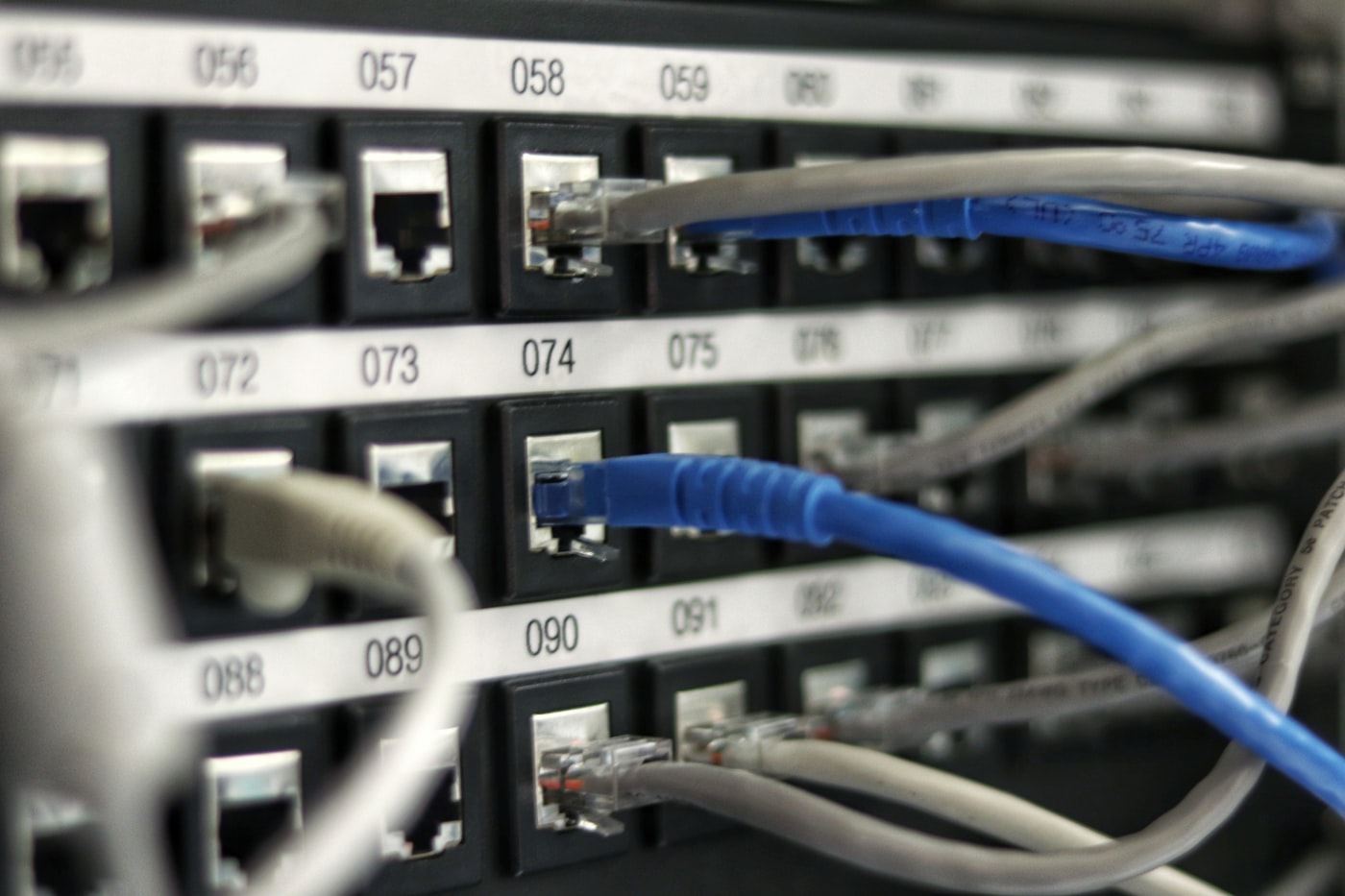
Modernizing the platform without redesigning the operating model preserves the legacy cost base under new technology.
Platform teams — end-to-end accountability
Each modernized service requires a platform team with end-to-end accountability: architecture, run, cost management and roadmap. Fragmented ownership reproduces the legacy operating model under new technology — the platform is modern, the accountability model is not.
Vendor relationships follow platform strategy
Legacy vendor relationships are typically extended into the modernized environment by default. The modernization program is an opportunity to reassess each strategic vendor relationship against the target operating model — not to carry existing contracts forward on autopilot.
Charge-back signals must change
Cost allocation and charge-back must be rebuilt to reflect the economics of the new platform. If the financial signals continue to incentivize legacy behavior — because the charge-back model was not redesigned — the business will consume the new infrastructure as if it were the old environment.
Plan for the new run rate
Capacity planning, demand forecasting and operational metrics rebuilt around the target stack — not extrapolated from the legacy environment. The modernized platform has different cost drivers, different elasticity and different governance requirements.
"Migration is a project. Modernization is an operating model."
— RSV Consult perspective
How to sequence the change
The operating model design must be locked before significant migration starts. Otherwise the program migrates the legacy operating model along with the workloads — and the structural opportunity is lost. The first migration wave is also the first proof point of the new operating model; it must be designed accordingly.
The first 90 days
Platform team accountabilities
Each modernized service assigned to a platform team with end-to-end accountability — architecture, run, cost, roadmap and security exceptions. Publish the RACI. Sunset the fragmented run/build/finance handoffs that produced the legacy economics.
Redesign the financial signals
Rebuild charge-back and showback to reflect target-stack economics. Run a parallel period so business consumers can see and adjust to the new unit costs before the model goes live — and so misuses get corrected before they show up in the budget.
Reset vendors and capacity
Reassess each strategic vendor against the target operating model — renegotiate, replace or sunset. Rebuild capacity planning and demand forecasting on target-stack data, not legacy extrapolation. The first migration wave validates both.
What changes when this works
Run-rate costs decline because consumption signals, ownership boundaries and vendor relationships are aligned with the new stack — not carried forward from the old one. Service quality improves because platform teams own outcomes, not handoffs. Capacity is right-sized because forecasting is rebuilt around the elasticity, cost drivers and governance of the target environment. The technology investment finally produces the economics the business case promised.
If the organizational model does not change, the cost base will not either. Infrastructure modernization is an operating model problem — with a technology component.